
Dishwash Bar vs Dishwash Liquid — Which is Better for Indian Kitchens? 2026 Guide
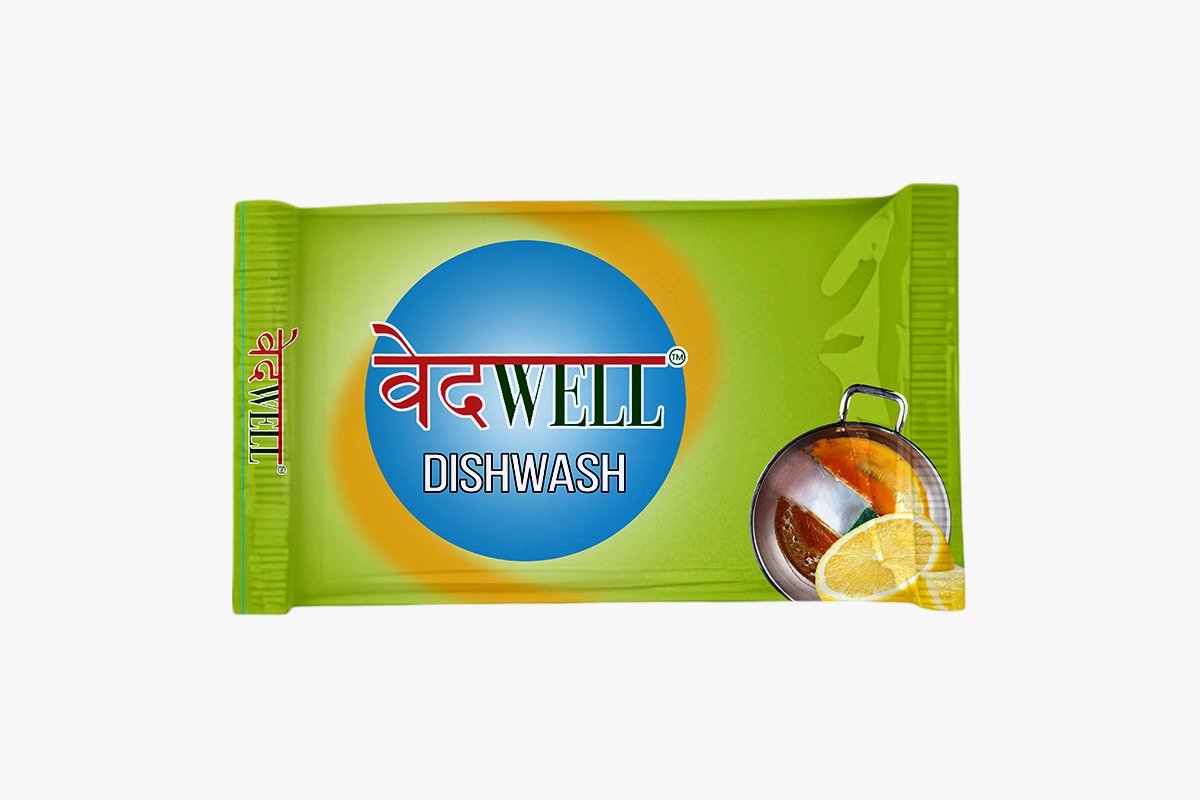
Vedwell Dishwash Bar
₹10 / 150gm
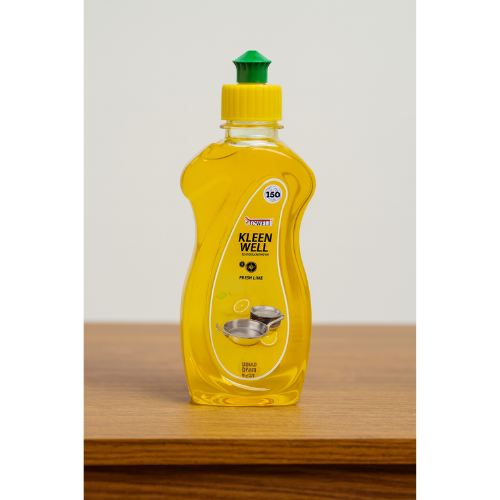
KleenWell Liquid DishWash
₹58 / 250ml
Every Indian kitchen faces the same daily question — should I use a dishwash bar or dishwash liquid? Both promise spotlessly clean utensils, both have passionate fans, but they work very differently and suit different kitchen situations.
In this complete guide, we settle the dishwash bar vs dishwash liquid debate once and for all — covering cleaning power, cost per wash, skin safety, hard water performance, eco-friendliness, and which one works best for specific Indian kitchen situations.
At VedWell, we manufacture both — the Vedwell Dishwash Bar at just ₹10 and the KleenWell Liquid DishWash in Fresh Lime and Citrus Orange. We know both formats inside out. Let us help you make the smartest choice for your kitchen.
What Is a Dishwash Bar?
A dishwash bar is a solid block of compressed cleaning agents — surfactants, builders, fragrance, and natural extracts — rubbed directly onto a scrubber to generate lather for washing utensils. It is the traditional Indian kitchen cleaning format used by generations.
The Vedwell Dishwash Bar is crafted with a powerful lemon-infused grease-cutting formula that removes stubborn oil, masala stains, and baked-on food residue from steel, glass, ceramic, and non-stick cookware — at just ₹10 for 150 grams.
Key Advantages of Dishwash Bar
- Extremely affordable — lowest cost per wash in any dishwashing format
- Long-lasting — a single bar lasts 3–4 weeks in a regular household
- Better portion control — use only as much as you need
- Strong on tough grease — concentrated formula directly on the scrubber
- Less packaging waste — minimal plastic
- Hard water friendly — performs better in hard water than liquids
Limitations of Dishwash Bar
- Requires more physical scrubbing effort
- Can leave slight residue if not rinsed properly
- Can become mushy if left in standing water
What Is Dishwash Liquid?
Dishwash liquid is a concentrated liquid cleaning formula dispensed directly onto a sponge or diluted in water. It activates instantly, spreads evenly, and produces rich foam that lifts grease and food particles with less scrubbing effort.
KleenWell Liquid DishWash by VedWell comes in two refreshing variants — Fresh Lime and Citrus Orange — at just ₹58 for 250ml. Specially designed for Indian cooking residue — heavy oil, turmeric, curry, and masala stains — while being gentle on hands.
Key Advantages of Dishwash Liquid
- Faster, easier washing — less scrubbing effort required
- Gentle on hands — smooth liquid with skin-safe ingredients
- Dissolves instantly — no waiting for lather to build
- Great for delicate utensils — non-stick pans, glass, ceramic
- Available in Fresh Lime and Citrus Orange variants
- Works well in cold water — ideal for winters
Limitations of Dishwash Liquid
- Higher cost per wash than dishwash bars
- Plastic bottle packaging — less eco-friendly
- Easier to over-dispense and waste product
Head to Head Comparison — Dishwash Bar vs Dishwash Liquid
1. Cleaning Power — Grease and Tough Stains
Dishwash Bar wins for: Heavy-duty cleaning — baked-on food, stubborn masala stains, greasy kadais and pressure cookers. The concentrated solid formula applied directly to a scrubber delivers focused cleaning power exactly where you need it.
Liquid wins for: Light to moderate daily washing — plates, glasses, steel tumblers, and non-stick pans. Liquid spreads evenly and rinses off cleanly without scrubbing.
Verdict for Indian kitchens: Indian cooking involves heavy oil, deep frying, and intense spices. For heavy-duty utensils like kadais, pressure cookers, and tawas — dishwash bar has a clear edge. For everyday plates and glasses — liquid is faster and easier.
2. Cost Per Wash
| Product | Price | Quantity | Washes | Cost Per Wash |
|---|---|---|---|---|
| ⭐ Vedwell Dishwash Bar | ₹10 | 150gm | 90–100 | ₹0.10 |
| KleenWell Liquid DishWash | ₹58 | 250ml | 80–100 | ₹0.58 |
| Vim Bar (competitor) | ₹30 | 155gm | ~80 | ₹0.37 |
| Pril Liquid (competitor) | ₹99 | 250ml | ~80 | ₹1.23 |
Verdict: Vedwell Dishwash Bar at ₹10 delivers the lowest cost per wash — up to 6x cheaper than branded liquid alternatives. For large Indian families doing 3–4 rounds of dishes daily, this saves ₹200–300 per month.
3. Convenience and Ease of Use
Bar: Requires picking up the bar, rubbing onto scrubber, building lather. Better for batch washing a large pile of utensils.
Liquid: One squeeze onto sponge, instant lather, wipe and rinse. Much faster for quick one-off washing.
Verdict: Liquid wins on convenience — especially for small quick washes and for people who wash dishes frequently throughout the day.
4. Performance in Hard Water
Hard water is a significant issue in cities across India including Nagpur, Delhi, and Ahmedabad. Dishwash bars tend to perform better in hard water as their concentrated solid formula generates lather more effectively despite the mineral content. KleenWell Liquid DishWash is also specifically formulated to work effectively in Indian hard water conditions.
Verdict: Dishwash bar has a slight edge in hard water areas.
5. Skin Safety and Hand Care
Bar: Direct contact with concentrated formula can be drying on hands with extended use.
Liquid: Generally gentler on skin as the diluted formula is less concentrated at point of contact. KleenWell Liquid DishWash is specifically formulated to be gentle on hands for everyday use.
Verdict: Liquid dishwash is better for hand safety — especially for sensitive skin.
6. Eco-Friendliness
Bar comes in minimal packaging — usually paper with very little plastic. A single 150gm Vedwell bar replaces approximately 500ml of liquid dishwash in cleaning power. Liquid comes in plastic bottles contributing to household plastic waste.
Verdict: Dishwash bar is significantly more eco-friendly.
Utensil Compatibility Guide
| Utensil Type | Dishwash Bar | Dishwash Liquid |
|---|---|---|
| Steel / Stainless Steel | ✅ Excellent | ✅ Excellent |
| Glass / Crystal | ✅ Good | ✅ Excellent |
| Ceramic / Crockery | ✅ Good | ✅ Excellent |
| Non-stick Cookware | ⚠️ Use gently | ✅ Preferred |
| Pressure Cookers / Kadai | ✅ Excellent | ✅ Good |
| Copper / Brass Vessels | ✅ Good | ✅ Good |
| Baby Bottles | ⚠️ Rinse thoroughly | ✅ Preferred |
Complete Comparison Table
| Factor | Vedwell Dishwash Bar | KleenWell Liquid DishWash |
|---|---|---|
| Price | ₹10 / 150gm | ₹58 / 250ml |
| Cost Per Wash | ⭐⭐⭐⭐⭐ (₹0.10) | ⭐⭐⭐ (₹0.58) |
| Tough Grease Removal | ⭐⭐⭐⭐⭐ | ⭐⭐⭐⭐ |
| Light Daily Washing | ⭐⭐⭐⭐ | ⭐⭐⭐⭐⭐ |
| Convenience | ⭐⭐⭐ | ⭐⭐⭐⭐⭐ |
| Hand Safety | ⭐⭐⭐ | ⭐⭐⭐⭐⭐ |
| Hard Water Performance | ⭐⭐⭐⭐⭐ | ⭐⭐⭐⭐ |
| Non-stick Safety | ⭐⭐⭐ | ⭐⭐⭐⭐⭐ |
| Eco-Friendly Packaging | ⭐⭐⭐⭐⭐ | ⭐⭐⭐ |
| Fragrance Options | ⭐⭐⭐ | ⭐⭐⭐⭐⭐ |
| Shelf Life | ⭐⭐⭐⭐⭐ | ⭐⭐⭐⭐ |
Which Should You Choose? — Indian Kitchen Scenarios
☑ Choose Dishwash Bar If…
- Heavy Indian cooking daily
- Large family, high dish volume
- Hard water city (Nagpur, Delhi)
- Budget is a priority
- Eco-conscious household
- Greasy kadais and pressure cookers
☑ Choose Liquid DishWash If…
- Quick, easy washing needed
- Non-stick and glassware heavy
- Sensitive skin in family
- Baby bottles or feeding equipment
- Prefer pleasant fragrance
- Modern kitchen experience
⭐ Smart Strategy — Use Both!
Most experienced Indian homemakers use both — bar for heavy-duty pots, kadais, and pressure cookers, and liquid for plates, glasses, non-stick pans, and quick washes. This gives you the best of both worlds at the lowest overall cost.
Pro Tips for Better Dishwashing Results
- Pre-soak heavily greased utensils for 10 minutes before washing — the bar or liquid works significantly faster on pre-soaked vessels
- Use warm water — both bar and liquid activate faster in warm water, especially for oily Indian cooking residue
- Store your dishwash bar on a drainer — never leave it sitting in water as it becomes soft and wasteful
- Use liquid sparingly — one or two drops is enough per wash; more does not mean better cleaning
- Rinse thoroughly — particularly for non-stick and baby utensils, ensure all soap residue is completely rinsed off
- Use a good scrubber — the quality of your scrubber matters as much as the dishwash product
Frequently Asked Questions (FAQ)
Q1. Which is better for Indian cooking — dishwash bar or liquid?
For heavy Indian cooking with lots of oil and spices, dishwash bar is better for greasy kadais and pressure cookers. Liquid is better for everyday plates and glasses. The smartest approach is using both.
Q2. Is Vedwell Dishwash Bar safe for non-stick cookware?
Vedwell Dishwash Bar can be used on non-stick cookware but use a soft sponge and gentle pressure — never a hard scrubber. For non-stick pans, KleenWell Liquid DishWash is the gentler and preferred choice.
Q3. Which is more cost-effective — dishwash bar or liquid?
Dishwash bar is significantly more cost-effective. Vedwell Dishwash Bar at ₹10 for 150gm costs approximately ₹0.10 per wash, while KleenWell Liquid DishWash costs approximately ₹0.58 per wash. For large families, the bar can save ₹200–300 per month.
Q4. Is KleenWell Liquid DishWash safe for baby bottles?
Yes — KleenWell Liquid DishWash is formulated with skin-safe, gentle ingredients and is safe for baby bottles. Always rinse thoroughly after washing.
Q5. Which works better in hard water — dishwash bar or liquid?
Dishwash bar performs slightly better in hard water as its concentrated formula generates lather more effectively despite mineral content. KleenWell Liquid DishWash is also formulated to work well in Indian hard water conditions.
Q6. How long does one Vedwell Dishwash Bar last?
One Vedwell Dishwash Bar (150gm) typically lasts 3–4 weeks in a regular household of 4–5 members. With careful usage and storage on a drainer, it can last even longer.
Q7. Can I use dishwash liquid to clean kitchen counters?
Yes — KleenWell Liquid DishWash can be used for light surface cleaning of kitchen counters, stovetops, and sink areas. For heavy-duty surface cleaning, use a dedicated surface cleaner.
Q8. Does KleenWell Liquid DishWash leave residue on utensils?
No — KleenWell Liquid DishWash is specifically formulated to rinse cleanly without leaving residue. It leaves steel, glass, and ceramic utensils sparkling clean with no film.
Conclusion — Our Final Verdict
There is no absolute winner in the dishwash bar vs liquid debate — both have clear strengths for different kitchen situations. Here is our final verdict:
- Choose dishwash bar for maximum grease-cutting power, lowest cost, eco-friendly packaging, and hard water performance
- Choose dishwash liquid for convenience, delicate utensils, skin gentleness, and quick everyday washing
- Use both for the smartest, most cost-effective Indian kitchen strategy
🏠 Made in Nagpur, For Every Indian Kitchen
Free home delivery across Nagpur on all VedWell orders
Which do you prefer for your kitchen — bar or liquid? Tell us in the comments below!



Add comment